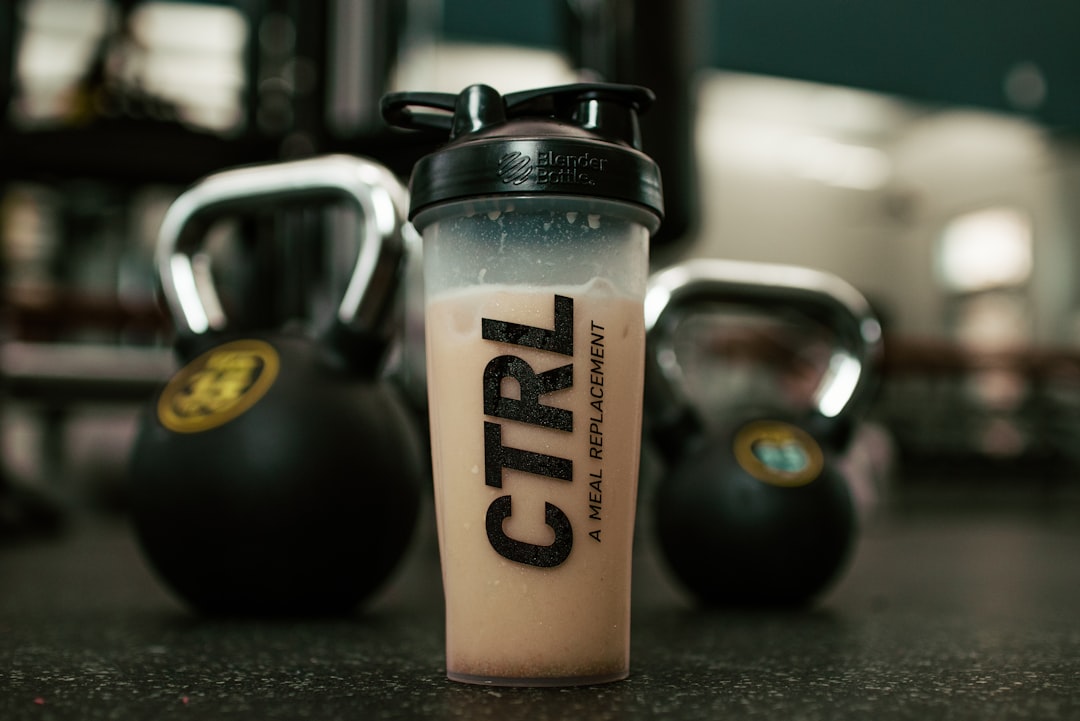
The question "Where do you get your protein?" is perhaps the most common enquiry directed at vegetarians and vegans. This concern, while well-intentioned, stems from outdated nutritional information. The reality is that obtaining adequate protein on a plant-based diet is not only possible but can support excellent health, athletic performance, and muscle growth.
This comprehensive guide explores everything you need to know about plant-based protein sources, how to combine them effectively, and strategies for meeting your protein requirements regardless of your fitness goals.
Understanding Protein Requirements
Before diving into specific food sources, it's essential to understand how much protein you actually need. The UK government recommends 0.75 grams of protein per kilogram of body weight daily for the average adult. However, active individuals and those building muscle typically require more.
For those engaged in regular strength training, aim for 1.6 to 2.2 grams per kilogram of body weight. Endurance athletes should target 1.2 to 1.6 grams per kilogram. These higher intakes support muscle repair, growth, and recovery from training stress.
Calculating your individual needs is straightforward: simply multiply your body weight in kilograms by the appropriate factor based on your activity level. For example, a 70kg individual who strength trains regularly would aim for 112 to 154 grams of protein daily.
Complete vs Incomplete Proteins
Proteins are made up of amino acids, nine of which are considered essential because our bodies cannot produce them. A complete protein contains all nine essential amino acids in adequate quantities. Animal products are complete proteins, while most plant foods are incomplete.
However, this doesn't mean plant-based eaters are at a disadvantage. Several plant foods are complete proteins, and combining different plant sources throughout the day easily provides all essential amino acids. Your body maintains a pool of amino acids, so you don't need to combine proteins in every single meal.
The key is consuming a variety of plant proteins throughout the day. This variety naturally provides all essential amino acids in the proportions your body requires.
Top Plant-Based Protein Sources
Legumes and Pulses
Legumes are protein powerhouses and should form the foundation of any plant-based diet. One cup of cooked lentils provides approximately 18 grams of protein along with substantial fibre, iron, and folate.
Chickpeas offer 15 grams per cooked cup and are incredibly versatile—use them in curries, salads, roasted as snacks, or blended into hummus. Black beans provide 15 grams per cup and work brilliantly in Mexican-inspired dishes, soups, and burger patties.
Kidney beans, cannellini beans, and pinto beans all deliver similar protein content. Experiment with different varieties to add diversity to your diet and discover your favourites.
Soya Products
Soya is unique among plant proteins because it's complete, containing all essential amino acids. Tofu provides 20 grams of protein per 200-gram serving and absorbs flavours beautifully, making it suitable for countless dishes.
Tempeh offers 31 grams per 200-gram serving and has a firmer texture with a slightly nutty flavour. Its fermentation process may improve digestibility and nutrient absorption. Edamame beans provide 18 grams per cup and make an excellent snack or salad addition.
Soya milk typically contains 6-8 grams per cup, matching or exceeding dairy milk's protein content. Choose fortified versions for added calcium and vitamin D.
Whole Grains
While grains aren't as protein-dense as legumes, they contribute significantly to daily intake. Quinoa is unique among grains as a complete protein, offering 8 grams per cooked cup along with iron, magnesium, and fibre.
Oats provide 6 grams per cooked cup and make an excellent breakfast base. Add nuts, seeds, and plant milk for an even more substantial protein boost. Brown rice contains 5 grams per cooked cup and pairs perfectly with bean dishes to create complementary amino acid profiles.
Nuts and Seeds
Though higher in fat and calories, nuts and seeds pack impressive protein alongside healthy fats. Almonds provide 6 grams per 30-gram serving, whilst peanuts offer 7 grams in the same portion.
Pumpkin seeds deliver 9 grams per 30-gram serving and are rich in zinc and magnesium. Hemp seeds provide 10 grams per 30-gram serving along with omega-3 fatty acids. Chia seeds offer 6 grams per 30-gram serving and create a satisfying pudding when soaked in plant milk.
Protein-Rich Vegetables
Whilst vegetables aren't primary protein sources, some contribute meaningfully to daily totals. Broccoli provides 4 grams per cooked cup, spinach offers 5 grams per cooked cup, and Brussels sprouts deliver 4 grams per cooked cup.
Green peas are particularly impressive with 8 grams per cooked cup. Including these vegetables regularly adds both protein and valuable micronutrients to your diet.
Strategic Protein Combining
Combining complementary plant proteins ensures you obtain all essential amino acids. Classic combinations that work synergistically include beans with rice, lentils with wheat, peanut butter with wholegrain bread, and hummus with pitta bread.
These combinations don't need to occur in the same meal—eating them throughout the day is sufficient. Your body maintains an amino acid pool that it draws from as needed for protein synthesis.
Plant-Based Protein Supplements
Whilst whole food sources should be prioritised, protein powders can be convenient for athletes or those struggling to meet higher protein requirements. Pea protein isolate offers 20-25 grams per serving and has a mild flavour that works well in smoothies.
Brown rice protein provides 20-24 grams per serving and is hypoallergenic. Hemp protein offers 15 grams per serving along with omega-3 fatty acids and fibre. Many brands now offer blends combining multiple plant proteins to ensure complete amino acid profiles.
Sample High-Protein Plant-Based Day
Here's how a 70kg active individual might structure their meals to achieve 140 grams of protein:
Breakfast: Overnight oats made with soya milk, topped with almonds, chia seeds, and berries (25g protein)
Mid-morning snack: Peanut butter on wholegrain toast (12g protein)
Lunch: Quinoa Buddha bowl with chickpeas, roasted vegetables, tahini dressing (28g protein)
Afternoon snack: Protein smoothie with pea protein powder, banana, spinach, and almond butter (30g protein)
Dinner: Lentil bolognese with wholewheat pasta and nutritional yeast (32g protein)
Evening snack: Edamame beans (13g protein)
This example demonstrates how easily protein targets can be met whilst enjoying varied, delicious meals.
Addressing Common Concerns
Many people worry that plant proteins are inferior for muscle building. However, research shows that when total protein intake is adequate, plant-based athletes can build muscle just as effectively as omnivores. The key is consuming sufficient total protein and calories.
Digestibility can vary between protein sources. Whilst some plant proteins have lower digestibility scores than animal proteins, this is easily compensated for by consuming slightly more plant protein overall—a simple adjustment that doesn't present practical difficulties.
Conclusion
Meeting protein requirements on a plant-based diet requires some initial planning but quickly becomes second nature. Focus on including legumes, soya products, whole grains, nuts, and seeds throughout your day. Vary your sources to ensure complete amino acid intake and support overall nutritional adequacy.
Remember that plant-based eating offers numerous benefits beyond adequate protein intake, including reduced environmental impact, lower food costs, and potential health advantages. With proper planning and knowledge, you can thrive on a plant-based diet regardless of your fitness goals.