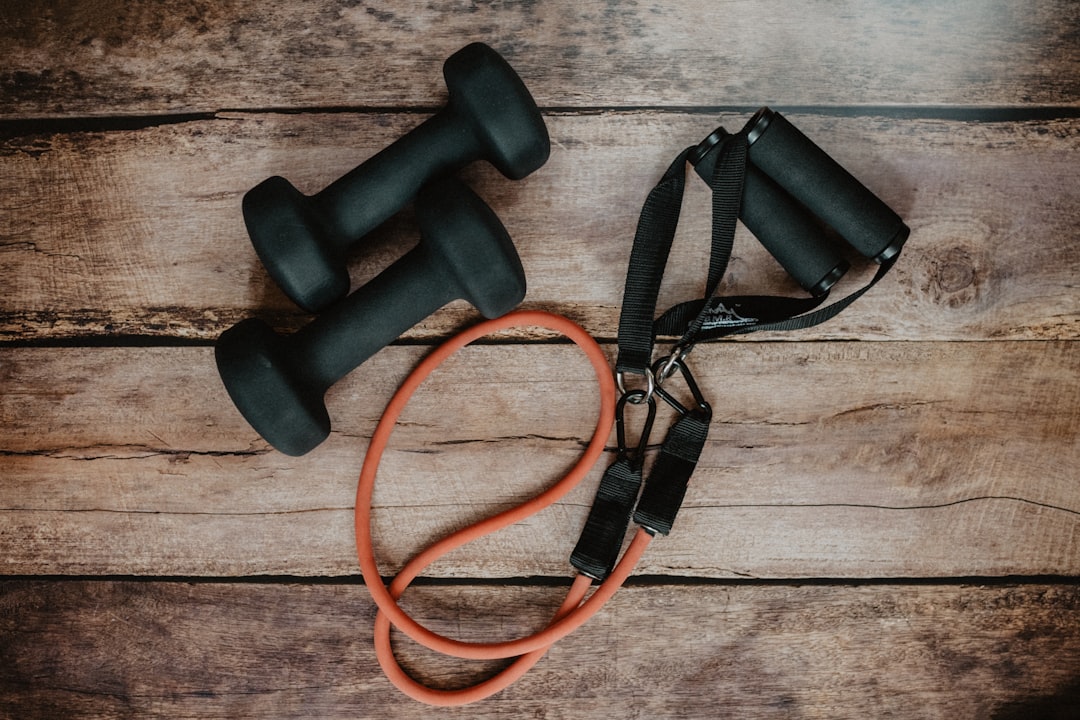
High-Intensity Interval Training, commonly known as HIIT, has become one of the most popular workout methodologies for good reason. This training approach alternates between short bursts of intense exercise and periods of rest or lower-intensity movement. The result is a time-efficient workout that delivers remarkable fat loss results.
For busy individuals seeking maximum results in minimum time, HIIT represents the perfect solution. This comprehensive guide explores the science behind HIIT's effectiveness for weight loss and provides practical strategies for incorporating it safely into your fitness routine.
The Science Behind HIIT and Fat Loss
HIIT's effectiveness stems from several physiological mechanisms. During high-intensity intervals, your body demands energy rapidly, depleting glycogen stores and creating metabolic stress. This stress triggers adaptive responses that continue burning calories long after your workout ends.
The afterburn effect, scientifically known as excess post-exercise oxygen consumption or EPOC, means your metabolism remains elevated for up to 24 hours post-workout. Studies show that HIIT can increase EPOC significantly more than steady-state cardio of equivalent duration.
Research published in the Journal of Obesity found that HIIT produced 28.5% greater fat loss than moderate-intensity continuous training despite requiring 40% less time commitment. This remarkable efficiency makes HIIT ideal for those with limited training time.
Metabolic Advantages of HIIT
Beyond the immediate calorie burn during exercise, HIIT improves your metabolic health in multiple ways. Regular HIIT training enhances insulin sensitivity, helping your body process carbohydrates more efficiently and reducing fat storage.
HIIT also preserves muscle mass better than traditional steady-state cardio. Whilst creating a calorie deficit for fat loss, maintaining muscle is crucial because muscle tissue burns more calories at rest than fat tissue. The brief, intense efforts in HIIT signal your body to preserve muscle while preferentially burning fat for fuel.
Additionally, HIIT stimulates human growth hormone production, which plays a vital role in fat metabolism and muscle preservation. Studies show that HIIT can increase growth hormone levels by up to 450% during the 24 hours following a workout.
Time Efficiency: HIIT's Greatest Advantage
Perhaps HIIT's most attractive feature is its incredible time efficiency. A properly structured HIIT session can be completed in 15-30 minutes, making it ideal for people with demanding schedules.
Consider this comparison: you might burn approximately 300 calories during a 45-minute steady-state jog. A 20-minute HIIT session can burn similar calories during the workout whilst generating significantly more afterburn, potentially resulting in 400-500 total calories burned when accounting for EPOC.
This time efficiency doesn't mean HIIT is easier—quite the opposite. The intensity demands genuine effort during work intervals. However, the brief duration makes intense effort more mentally manageable than prolonged moderate exercise.
Beginner-Friendly HIIT Routine
If you're new to HIIT, start conservatively to allow your body to adapt. This beginner routine uses a 1:2 work-to-rest ratio, meaning rest periods are twice as long as work intervals.
Begin with a 5-minute warm-up of light cardio and dynamic stretching. Then complete 8 rounds of the following:
- 20 seconds of high knees or marching in place
- 40 seconds of slow walking or standing rest
After completing all rounds, cool down with 5 minutes of easy walking and static stretching. This 15-minute session provides an excellent introduction to HIIT principles without overwhelming beginners.
As you adapt over 2-3 weeks, gradually increase work intervals to 30 seconds and decrease rest to 30 seconds, maintaining the same number of rounds.
Intermediate HIIT Protocol
Once comfortable with basic intervals, progress to this intermediate routine using a 1:1 work-to-rest ratio. Warm up thoroughly for 5 minutes, then complete 10 rounds of:
- 30 seconds of burpees, mountain climbers, or jumping jacks
- 30 seconds of active recovery such as slow jogging in place
This 15-minute workout generates significant metabolic stress. The active recovery periods maintain elevated heart rate throughout the session, maximising calorie burn and cardiovascular adaptation.
Vary exercises between sessions to prevent adaptation and maintain motivation. Options include squat jumps, skater hops, sprint intervals, or battle ropes if available.
Advanced HIIT Challenge
Advanced trainees can handle higher intensity and volume. This protocol uses Tabata timing: 20 seconds maximum effort followed by 10 seconds rest. Warm up thoroughly, then complete 8 rounds of each exercise before moving to the next:
- 8 rounds: Sprint or high-intensity cycling
- 1-minute transition
- 8 rounds: Burpees
- 1-minute transition
- 8 rounds: Mountain climbers
This approximately 20-minute session demands maximum effort and generates substantial metabolic stress. Ensure you're properly conditioned before attempting such intense protocols.
Safety Considerations and Proper Progression
HIIT's intensity is both its greatest strength and potential weakness. Approaching HIIT too aggressively increases injury risk and can lead to overtraining. Follow these guidelines for safe progression:
Start with just 1-2 HIIT sessions weekly, allowing at least 48 hours recovery between sessions. Your body needs time to adapt to the metabolic and mechanical stress. Gradually increase frequency to 3-4 sessions weekly over several months as your fitness improves.
Always warm up adequately before HIIT sessions. Spend 5-10 minutes gradually elevating heart rate and mobilising joints. This preparation reduces injury risk and improves performance during high-intensity intervals.
Listen to your body's signals. Excessive fatigue, persistent muscle soreness, declining performance, or increased resting heart rate all indicate inadequate recovery. When these occur, reduce training intensity or take additional rest days.
Combining HIIT with Strength Training
For optimal fat loss and body composition, combine HIIT with regular strength training. Strength training builds muscle, which increases resting metabolic rate. This combination creates a powerful synergy for long-term weight management.
Structure your weekly programme to include 2-3 strength training sessions and 2-3 HIIT sessions on alternate days. For example, perform strength training on Monday, Wednesday, and Friday, with HIIT on Tuesday and Thursday. This arrangement allows adequate recovery for each training modality.
If time is limited, consider hybrid sessions combining strength exercises with cardio intervals. Perform a strength exercise such as squats or press-ups, immediately followed by a cardio interval like jumping jacks or burpees. This approach delivers both strength and cardiovascular benefits in a single efficient session.
Nutrition Strategies to Maximise HIIT Results
Exercise alone rarely produces dramatic weight loss without dietary changes. HIIT creates a substantial calorie deficit and improves metabolic health, but nutrition determines long-term success.
Prioritise protein intake to support muscle preservation and recovery. Aim for 1.6-2.2 grams per kilogram of body weight daily, spreading intake across multiple meals. Protein also increases satiety, helping control hunger whilst in a calorie deficit.
Time carbohydrate intake around training sessions. Consuming moderate carbohydrates before HIIT provides energy for high-intensity efforts. Post-workout carbohydrates help replenish depleted glycogen stores and support recovery.
Maintain a moderate calorie deficit of 300-500 calories below maintenance. More aggressive deficits compromise recovery, performance, and muscle preservation. Sustainable fat loss requires patience and consistency rather than extreme restriction.
Common HIIT Mistakes to Avoid
Many people make mistakes that limit HIIT's effectiveness or increase injury risk. The most common error is performing too much volume too soon. Start conservatively and progress gradually based on your individual recovery capacity.
Another mistake is insufficient intensity during work intervals. True high-intensity effort should reach 85-95% of maximum heart rate and feel genuinely challenging. If you can maintain conversation during work intervals, increase intensity.
Conversely, some people maintain excessive intensity throughout rest periods, never allowing adequate recovery between efforts. Rest periods should reduce heart rate sufficiently to perform the next work interval at high intensity. Active recovery is fine, but shouldn't prevent recovery.
Tracking Progress Beyond the Scale
Whilst weight loss is often the primary goal, focus on multiple progress indicators. Body composition changes may not immediately reflect on the scale, especially when building muscle simultaneously.
Take progress photos every 2-4 weeks in consistent lighting and poses. Visual changes often appear before significant scale movement. Measurements of waist, hips, and other body parts also track progress accurately.
Monitor performance improvements such as completing more rounds at higher intensity or recovering faster between intervals. These fitness gains indicate positive adaptations even when scale progress stalls temporarily.
Conclusion
HIIT training offers a scientifically proven, time-efficient approach to fat loss. Its unique combination of immediate calorie burn and extended metabolic elevation makes it superior to traditional steady-state cardio for busy individuals seeking rapid results.
However, HIIT is demanding and requires respect. Start gradually, prioritise recovery, and combine HIIT with strength training and proper nutrition for optimal body composition changes. With consistent effort and sensible progression, HIIT can transform your physique and fitness level in remarkably short periods.
Remember that sustainable fat loss requires long-term lifestyle changes rather than temporary interventions. Use HIIT as one component of a comprehensive approach including balanced nutrition, adequate sleep, and stress management for lasting results.