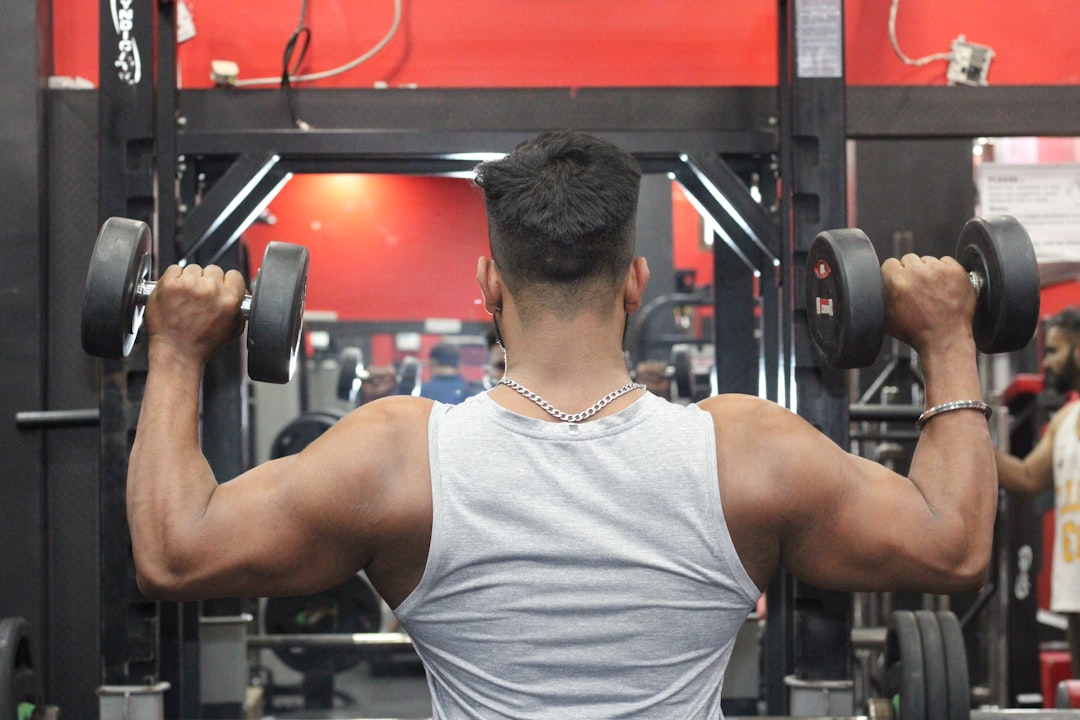
Strength training transforms bodies and lives. Beyond building muscle and increasing strength, resistance training improves bone density, enhances metabolic health, boosts confidence, and protects against age-related decline. Yet many beginners feel intimidated by weight rooms or unsure where to start.
This comprehensive guide provides everything you need to begin strength training safely and effectively. Whether you're training at home with minimal equipment or joining a gym, these principles will establish a solid foundation for long-term success.
Understanding Progressive Overload
Progressive overload is the cornerstone principle of strength training. It simply means gradually increasing the demands placed on your body over time. Without progressive overload, your body has no reason to adapt by growing stronger or building muscle.
Several methods achieve progressive overload: increasing weight lifted, performing more repetitions with the same weight, adding additional sets, reducing rest periods between sets, or improving exercise form to increase time under tension. Focus on one progression method at a time for clearest results.
For beginners, the most straightforward approach involves adding small amounts of weight when you can comfortably complete your target repetitions with good form. If your programme calls for 3 sets of 8-10 repetitions and you achieve 10 reps on all sets with ease, increase weight by 2.5-5 kilograms in your next session.
Essential Exercise Categories
Effective programmes include exercises from several fundamental movement patterns. Understanding these categories helps create balanced routines that develop all muscle groups proportionally.
Lower Body Push: Squats and Variations
Squatting movements target quadriceps, glutes, and hamstrings whilst building core strength. Bodyweight squats establish proper mechanics before progressing to goblet squats, barbell back squats, or front squats. Focus on maintaining a neutral spine, knees tracking over toes, and achieving depth where thighs reach parallel to the floor.
Lower Body Pull: Deadlifts and Hip Hinges
Hip hinge movements primarily work posterior chain muscles including hamstrings, glutes, and lower back. Romanian deadlifts teach the hip hinge pattern with manageable loads. Conventional deadlifts represent the ultimate full-body strength exercise once proper form is mastered. These movements build tremendous functional strength for everyday activities.
Upper Body Push: Pressing Movements
Horizontal pushing exercises like chest press and press-ups develop chest, shoulders, and triceps. Vertical pressing movements such as overhead press target shoulders more directly. Begin with press-ups to build foundational strength, progressing to weighted variations as you improve.
Upper Body Pull: Rows and Pull-Downs
Rowing movements and pull-downs balance pressing exercises by strengthening back muscles, rear shoulders, and biceps. These movements are crucial for shoulder health and posture. Inverted rows offer an excellent starting point before progressing to weighted cable rows or pull-ups.
Sample Beginner Full-Body Routine
This three-day-per-week programme hits all major muscle groups with adequate recovery time between sessions. Perform this workout on non-consecutive days such as Monday, Wednesday, and Friday.
Workout A:
- Goblet squats: 3 sets of 8-10 reps
- Press-ups or dumbbell chest press: 3 sets of 8-12 reps
- Romanian deadlifts: 3 sets of 8-10 reps
- Dumbbell rows: 3 sets of 10-12 reps per arm
- Plank holds: 3 sets of 30-60 seconds
Workout B:
- Lunges: 3 sets of 8-10 reps per leg
- Dumbbell shoulder press: 3 sets of 8-10 reps
- Glute bridges: 3 sets of 12-15 reps
- Lat pull-downs or inverted rows: 3 sets of 10-12 reps
- Dead bugs: 3 sets of 10 reps per side
Alternate between Workout A and B each training session. This ensures balanced development and provides variety to maintain motivation.
Perfecting Form: Key Exercise Techniques
Proper form is non-negotiable. Poor technique increases injury risk and limits strength development. Master these fundamental movements:
Squat Technique
Stand with feet hip to shoulder-width apart, toes slightly turned out. Initiate the movement by pushing hips back as if sitting into a chair. Keep chest proud and core braced. Descend until thighs are parallel to the floor whilst maintaining neutral spine. Drive through entire foot to return to starting position, squeezing glutes at the top.
Deadlift Technique
Position feet hip-width apart with the barbell over mid-foot. Hinge at hips to grasp the bar just outside legs. Flatten back by pulling shoulders down and back. Brace core and drive through feet to lift the bar, maintaining its close contact with legs throughout. Lock out by fully extending hips and knees. Reverse the movement with control to return weight to floor.
Press-Up Technique
Begin in a plank position with hands slightly wider than shoulders. Maintain a straight line from head to heels by engaging core and glutes. Lower chest towards floor by bending elbows, keeping them at roughly 45 degrees from body. Press back up to starting position, fully extending arms. Modify by elevating hands on a bench if full press-ups are too challenging initially.
Programming Principles for Beginners
Effective programming balances training stimulus with adequate recovery. Beginners can typically train three to four days weekly with full-body routines. More frequent training isn't necessarily better—muscle growth occurs during recovery, not during workouts themselves.
Each workout should include 4-6 exercises covering different movement patterns. Perform 3-4 sets per exercise with 8-12 repetitions for muscle building or 4-6 repetitions for maximum strength development. Rest 2-3 minutes between sets of compound movements like squats and deadlifts, and 60-90 seconds between isolation exercises.
Track your workouts diligently. Record exercises performed, weights used, sets completed, and repetitions achieved. This data reveals progress over time and informs when to increase weights or adjust programming.
Nutrition Fundamentals for Muscle Building
Training provides the stimulus for adaptation, but nutrition supplies the raw materials for building muscle. Protein intake is particularly crucial—aim for 1.6-2.2 grams per kilogram of body weight daily. This protein should be distributed across multiple meals for optimal muscle protein synthesis.
Calorie intake determines whether you build muscle, lose fat, or maintain weight. To build muscle effectively, consume a slight calorie surplus of 200-300 calories above maintenance. This modest surplus supports muscle growth whilst minimising fat gain. Calculate maintenance calories using online estimators, then add this surplus.
Carbohydrates fuel training performance. Consume adequate carbohydrates relative to training volume—generally 3-5 grams per kilogram of body weight for regular strength training. Time carbohydrate intake around workouts for maximum benefit: eat a carbohydrate-rich meal 2-3 hours pre-workout and another within 2 hours post-workout.
Recovery Strategies for Maximum Progress
Recovery is when your body adapts to training stress by growing stronger. Inadequate recovery compromises progress and increases injury risk. Prioritise these recovery strategies:
Sleep 7-9 hours nightly. Sleep deprivation impairs muscle protein synthesis, reduces testosterone levels, and increases cortisol. Establish consistent sleep and wake times, create a dark cool bedroom environment, and avoid screens for an hour before bed.
Manage overall life stress. Chronic stress elevates cortisol, which interferes with muscle building and recovery. Incorporate stress management techniques such as meditation, time in nature, or enjoyable hobbies.
Consider active recovery on non-training days. Light activities like walking, swimming, or yoga promote blood flow without creating additional training stress. This enhanced circulation can accelerate recovery.
Common Beginner Mistakes to Avoid
Many beginners undermine their progress through common errors. Awareness of these mistakes helps you avoid them:
Training too frequently with insufficient recovery represents the most common mistake. Beginners often believe more training equals faster progress. In reality, excessive training without adequate recovery leads to overtraining, stalled progress, and potential injury. Follow your programme's prescribed frequency rather than adding extra sessions.
Ego lifting—using weights too heavy to maintain proper form—is another prevalent issue. This behaviour dramatically increases injury risk whilst actually reducing muscle stimulation due to shortened range of motion and momentum usage. Leave your ego at the door and focus on perfect form with appropriate loads.
Neglecting lower body training in favour of upper body exercises creates muscular imbalances and limits overall progress. Your legs contain the largest muscle groups in your body. Training them releases more growth hormone and testosterone, benefiting your entire physique.
When and How to Progress
After several months of consistent training, you may outgrow beginner programmes. Signs you're ready to progress include: consistently completing all prescribed sets and reps with excellent form, no longer feeling adequately challenged by your routine, and demonstrated understanding of proper technique across all major movements.
Intermediate programmes typically involve higher training volume, exercise specialisation, and periodisation. You might transition to upper/lower splits training four days weekly, or push/pull/legs splits over six days. However, resist rushing this transition—many people benefit from beginner programmes for 6-12 months.
Conclusion
Strength training offers unparalleled benefits for physical and mental health. This beginner's guide provides everything needed to start training safely and effectively. Focus on mastering fundamental movement patterns, applying progressive overload consistently, and supporting training with proper nutrition and recovery.
Remember that building strength is a marathon, not a sprint. Consistency over months and years produces remarkable results. Be patient with yourself, celebrate small victories, and trust the process. Your future self will thank you for starting this journey today.